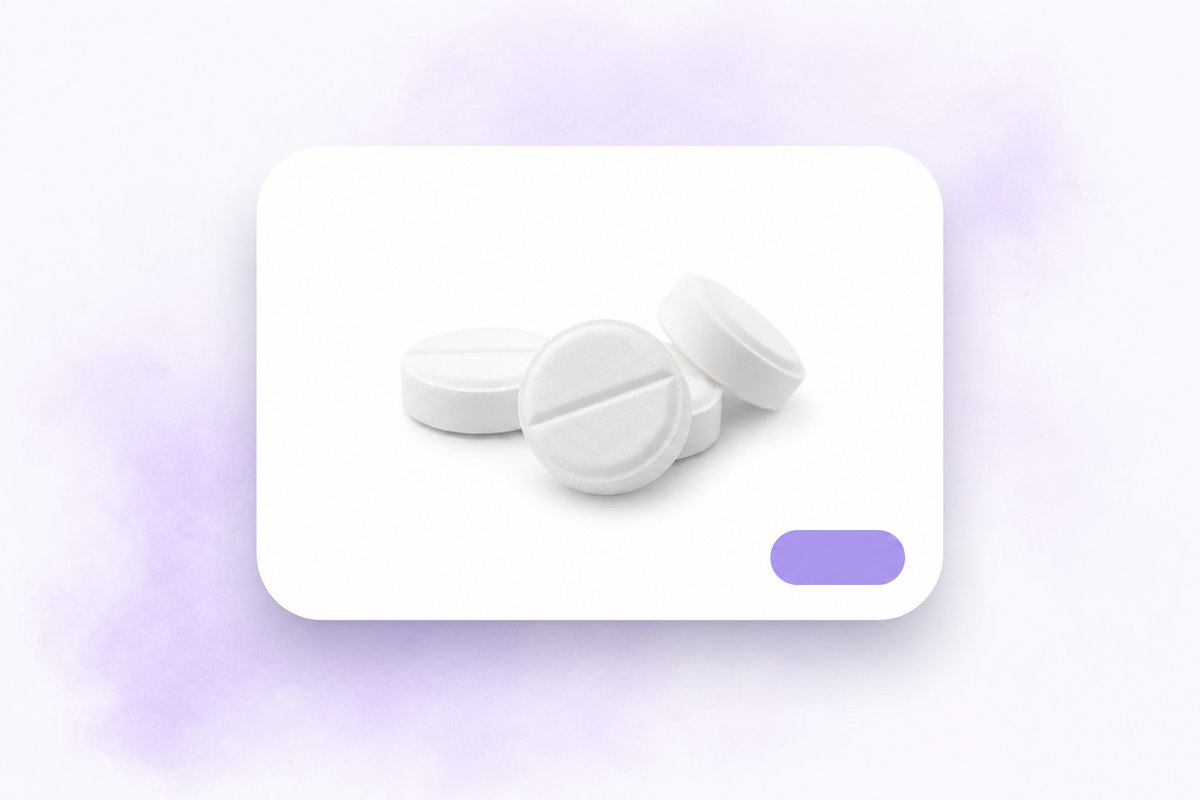
01Eighty milligrams before the morning post
Dublin bin method on this peg: Pick the 80 mg morning lock, Check electrolytes and ototoxic partners, Tag the clock, Bin the card. Educational only.
Pick the 80 mg morning lock before anyone debates colour of the tablet. Lasix and generic furosemide share the INN. What this bin stamps is strength plus clock: one 80 mg tablet after waking, not a guessed 20 or 40 pulled from another household blister.
Loop diuretics shut NKCC2 in the thick ascending limb, so sodium, chloride, and a lot of water leave in the urine. Patients feel that in the first hour more than on the scale. If the scale is the only metric, people double a dose at 10 pm and then wonder why they slept in the hallway.
Oral tablets deliver about sixty-four percent of an intravenous reference in fasted men. Solution absorption peaks sooner (about 50 minutes) than the tablet (about 87 minutes), yet peak levels and AUC stay similar. Terminal half-life is approximately two hours. The bathroom window outlasts the plasma curve because tubular action continues after the concentration falls.
Check the script against edema versus hypertension. For edema the label starts 20 to 80 mg once, then allows the same dose six to eight hours later or a 20-40 mg raise, not sooner than that gap, until the wanted diuresis appears. Severe edematous states can be titrated carefully toward 600 mg a day. Hypertension often opens at 80 mg, commonly divided as 40 mg twice daily. This card still bins 80 mg as a morning single unless the prescriber wrote the split.
Tag hearing risk, lithium, NSAIDs, and the sulfa-allergy note before you congratulate anyone on a two-kilo drop. Then bin the card with the lab date and the last potassium written on it. Priya Natarajan reviews this shelf; mail corrections to [email protected], not dose requests.
02When creatinine climbs on purpose
Rising creatinine after a successful diuresis is often hemoconcentration and a drier tubule, not proof the kidney died overnight. The error is stopping the loop for a 20 micromole bump while the patient is still wet to the mid-shin. The other error is ignoring a climbing creatinine plus dizziness and a disappearing blood pressure.
Dehydration can concentrate the blood and invite vascular thrombosis talk in the susceptible. Older adults after a gastrointestinal illness are the usual Dublin example. Hold rules belong to the prescriber; this card only names the pattern.
NSAIDs blunt the diuresis and can raise BUN, creatinine, and potassium while the weight climbs. One study in six people with chronic renal insufficiency showed furosemide plus aspirin temporarily reduced creatinine clearance. Case reports add weight gain on the NSAID pair. Check the over-the-counter shelf, not only the GP letter.
Sulfa-allergic patients may also react to Lasix. The label states the possibility, not a certainty. SLE can flare. Neither fact licenses a forum switch to another loop without a clinician.
03Why the 8 am tag exists
Labelled examples put a second dose at 2 pm when twice-daily use is needed, not at bedtime. That is not folklore. Six to eight hours of diuresis after an 8 am tablet still leaves evening hours for sleep. A 9 pm tablet dumps that window into the night.
Night doses dump urine into the hours people actually rest. Heart-failure wards already fight orthopnea; adding nocturnal diuresis teaches people to skip the tablet, then rebound edema, then a bigger rescue dose. Morning anchoring is adherence work, not politeness.
Read the morning timing clip when someone swears they 'only take it when the ankles look bad'. As-needed loop use without a weight rule is how hyponatremia and a crumpled potassium arrive together. If a second pulse is required, the label's 6-8 hour gap is the floor, and 2 pm is the classic second stamp.
Travel across time zones wrecks the tag. Keep the tablet with waking hours in the new city, not with Dublin clock loyalty, unless the prescriber wants a planned overlap. Missing one morning and doubling the next is a volume swing, not a catch-up.
| Clock | What the label actually supports | What this bin refuses |
|---|---|---|
| 8 am (lock) | Once-daily 80 mg after the wanted single dose is found | Bedtime 'so I remember' |
| 2 pm (if split) | Example second pulse 6-8 h later | A third tablet at midnight |
| Rescue same day | Same dose 6-8 h later, or +20-40 mg after that gap | Stacking hourly because the scale did not move |
04Night tablets and the sleep they steal
Bathroom trips after 11 pm are how loop therapy gets abandoned. People then present wetter, with a higher creatinine from the edema itself, and someone writes a bigger tablet. Move the dose to morning before you declare furosemide a failure.
Shift workers need a 'start of wake' rule, not a clock on the wall. A night porter who swallows 80 mg at 8 am Dublin time will diurese through the only sleep they get. Tag the occupation.
Alcohol has no labelled ban with furosemide. It still drops blood pressure and muddies volume judgment. A Saturday session plus a Sunday extra tablet is a fall waiting for a step.
Metformin on the same shelf (500 mg Glucophage lock) does not cancel loop timing. Dehydration from over-diuresis is a lactic-acidosis risk context for metformin. Two cards, one volume story.
05NSAIDs, lithium, and the quiet partners
Lithium clearance falls when a diuretic is added, and toxicity risk rises. The label says lithium generally should not travel with diuretics. If a psychiatry clinic insists, levels and a written hold plan belong in the same week as the first 80 mg morning tablet.
Photosensitivity shows up on the adverse list with rash entities that include Stevens-Johnson and erythema multiforme. A new blistering rash is not 'loop dry skin'. Stop and be seen.
Digitalis, corticosteroids, and a low-potassium diet sharpen arrhythmia risk when the cation falls. People on digoxin who start 80 mg without a potassium plan are the classic miss. Tag both cards.
IV albumin talk belongs in hospital notes, not on a community bin. Hypoproteinemia is an ototoxicity cofactor on the parenteral side. Do not invent an albumin dose for home 80 mg.
06Sunburn on a loop is a labelled line
Photosensitivity is on the furosemide adverse list beside serious skin reactions. A new blistering eruption is a stop-and-be-seen day. A pink forearm after an hour on the East Pier is counsel to cover up, not proof the 80 mg must change this morning.
Gout flares can follow volume shifts and urate concentration. People then reach for NSAIDs and blunt the loop. That circle is how an 80 mg morning lock looks powerless. Tell the GP about the joint before the ibuprofen habit hardens.
SLE flare is a labelled possibility. New malar rash or unexplained joint pain on a loop is rheumatology territory, not a 'water tablet side effect' shrug. Write the start date of 80 mg on the referral.
High-dose oral titration toward 600 mg a day is a specialist edematous-state move. Community bins that quietly climb past 160 mg without weights, creatinine, and hearing questions are how ototoxicity and collapse share a week. This lock stays 80 mg morning unless the letter says otherwise.
IV-to-oral switches after a ward bag should restate the ototoxic partners and the morning clock. People go home on 80 mg and keep a 'rescue amp' story in their head. Oral and parenteral are not interchangeable by milligram folklore. Write the last IV time on the discharge.
Protein-poor patients were named on the parenteral ototoxicity list. Nephrotic and cachectic adults in Dublin clinics still take morning tablets. Tag nutrition. Do not invent an albumin infusion for a community 80 mg lock.
07Weight rules beat bathroom folklore
Scale change over two or three mornings is a better titration signal than how often someone visited the toilet after 80 mg. A dry afternoon with no weight drop can still be a win if the legs went down. A soaking morning with a rising weight is a sodium and adherence story.
Heart-failure clinics often write a one- or two-kilo call-out. That rule belongs to the clinician, not to this bin. What the card can say: do not add a lunchtime 80 mg because the first wee felt 'weak'. The label's rescue is the same dose 6-8 hours later or a 20-40 mg raise after that gap.
Dietary sodium undoes a tidy morning lock. People then request 160 mg and arrive with a potassium of 2.9. Ask what they ate, not only whether they swallowed the tablet. Restaurant soup and stock cubes are the usual Dublin saboteurs.
Ankle swelling that is one-sided, red, or suddenly painful is not a loop failure. Think clot, infection, or gout before you double Lasix. Bilateral pitting that climbed with a salty weekend is closer to the drug's job.
Home blood-pressure cuffs lie when the cuff is over a jumper or the arm hangs. If dizziness is the complaint after 80 mg, measure seated and standing with the sleeve off. Postural drop plus a rising creatinine is a hold conversation, not a 'drink more tea' note on a scrap.
Cirrhosis patients on loops need a tighter cation plan than a straightforward hypertensive. The label already names cirrhosis as a hypokalemia setting. Spironolactone may already be on that chart. Tag both before anyone boasts about a four-kilo weekend loss.
08Hearing, gentamicin, and the IV rate nobody reads
Hearing damage clusters with rapid injection, severe renal impairment, higher-than-recommended doses, hypoproteinemia, and partners such as aminoglycosides or ethacrynic acid. Tinnitus can be the first complaint. Deafness has been reversible and irreversible in reports.
Four milligrams per minute is the adult infusion ceiling the label cites when a clinician chooses high-dose parenteral therapy. Community 80 mg tablets are not that setting. The warning still belongs on the card because people bounce between ward IV and home tablets without anyone restating the ototoxic stack.
Aminoglycosides and ethacrynic acid stay on the partner list even when the furosemide is oral. A weekend of IV gentamicin plus a doubled home loop is how a hearing complaint gets written off as 'age'. Tag the MAR. Stop guessing.
Tinnitus during an infusion is a stop-and-reassess cue, not a reason to push faster so the bag finishes before handover. Oral 80 mg in the morning is a different risk density, yet renal failure plus another ototoxin still counts.
09What the fill refuses to guess
GoodRx's common-version coupon is not an 80 mg thirty-count retail cell. This desk repeats that sentence so nobody types a fake dollar beside Lasix. Ask the window for the NDC that matches the script. Kaelis does not sell the tablet and does not complete a missing price with a guess.
Twenty-milligram and forty-milligram boards are other lines. Patients who 'always had the little one' should not be silently moved to 80 mg because a website lock exists. Check the letter. Tag the strength on the blister with a marker if two loops live in one house.
Combination tablets that hide a thiazide or potassium-sparing partner are not this peg. If the box says more than furosemide, it is a different card. Do not split a combo to 'get the 80'.
Mail-order delays plus a skipped week plus a doubled Monday is a volume swing. Keep a documented buffer through the clinic, not a kitchen stash of a relative's 40s. [email protected] is for citation fixes, not for emergency supply.
10Potassium is the lab that fails first
Brisk diuresis plus a salt-poor diet, corticosteroids, ACTH, large licorice intakes, or chronic laxatives is the labelled hypokalemia cluster. Cirrhosis makes the drop meaner. An 80 mg morning tablet is not a small dose in a thin older adult who barely eats.
Magnesium often falls with the same urine. People replace potassium and leave magnesium low, then watch the potassium refuse to stick. Check both. The electrolyte watch clip exists because clinic letters keep treating a lone K+ as the whole story.
Patients who vomit or take another loop, or who sit on an ACE such as enalapril 10 mg, need a written plan for which cation is being pushed which way. Loops waste potassium. ACE inhibitors retain it. The pair is common in heart failure and still needs a number, not a shrug.
Serum and urine electrolytes matter more when vomiting is heavy or intake is poor. Excessive diuresis dehydrates and can drop circulating volume enough to invite thrombosis talk in the high-risk. That is the label, not drama.
What this bin tags on the electrolyte line
- Hypokalemia: brisk diuresis, low salt intake, cirrhosis, steroids, ACTH, lots of licorice, long laxative use
- Watch magnesium with the potassium, not after the replacement fails
- ACE or ARB on the same MAR can mask a falling K+ until someone stops the loop
- Weight, creatinine, and symptoms beat a bathroom anecdote
11Bin the morning lock, not a guessed strength
Bin this card only after the 80 mg morning lock, the 6-8 hour window, potassium and magnesium, and the ototoxic partners are written down. The fill below is a window ask, not a price Kaelis invented for 80 mg.
Change dose or stop only with the clinician who holds the rest of the chart. Kaelis does not dispense. Educational browse, 21 August 2026.
Generic furosemide 80 mg, thirty tablets, the Kaelis morning lock, August 2026. GoodRx lists generic furosemide as low as $1.80 for the most common version. This desk does not invent an 80 mg retail cell. Ask the window for that NDC. Kaelis does not dispense.